Coffee
How to Descale a Coffee Maker with Citric Acid (Simple, Cheap, and Actually Works)
Author:sana
|
Released:February 4, 2026
If your coffee suddenly tastes flat, bitter, or just kind of dull, the beans are not always the problem. A common cause is scale buildup inside the machine. Once minerals start collecting in the water path, the brewer heats less evenly and can slowly affect flavor.
That's why regular descaling is worth doing. You don't need a complicated routine or expensive cleaners every time. Citric acid works well for most home coffee machines, especially if you have hard water or brew often.
Why Scale Builds Up In Your Coffee Maker
Every time you brew with tap water, minerals move through the machine. Over time, they stick to heating elements, tubes, and the water tank, forming scale.
If your water is hard, this happens faster. Even filtered water does not completely prevent it.
Scale is not just something you can see. It can slow brewing, reduce steam power, and affect water temperature, which quietly changes how your coffee tastes.
Why Citric Acid Works So Well
Citric acid is cheap, easy to find, and works well for most machines. It breaks down mineral deposits without the strong smell of vinegar.
Unlike vinegar, it also rinses more cleanly. Vinegar can leave a lingering odor in some machines, while citric acid usually clears out without affecting taste in the next brew.
Food-grade citric acid is all you need. Common options include Viva Doria, Milliard, and Now Foods. Any plain food-grade version works fine for regular descaling.
When To Descale Your Coffee Maker
A simple rule is to descale about once a month if you make coffee every day. If your machine sits unused for long stretches or you use filtered water, you may be able to stretch that out a little. If your water is hard or your machine gets heavy use, you may need to do it more often.
Some coffee makers have a descale light or maintenance indicator. If yours does, pay attention to it. If it does not, look for slower brewing, lower water flow, or coffee that suddenly tastes less clean than usual.
You should also think about your usage pattern. A single-person household making one or two cups a day will not need the same schedule as a family that runs a brewer several times a day. The more coffee you make, the more often mineral buildup becomes a real issue.
What You Need Before You Start
You only need a few basic items: food-grade citric acid, hot water, and a clean cloth.
A microfiber cloth helps with wiping the reservoir and lid after cleaning, but any lint-free cloth works.
If your coffee maker has a removable water filter, take it out first. Make sure the brew basket is empty and free of old coffee grounds or oils. This prevents residue from mixing with the cleaning solution.
It also helps to have a sink nearby so you can rinse things as you go.
Step 1: Mix the citric acid solution
Dissolve about two tablespoons of citric acid in one liter of hot water. Stir until the powder is fully dissolved. If your water tank is larger, scale the amount up proportionally instead of guessing.
Step 2: Run the cleaning cycle
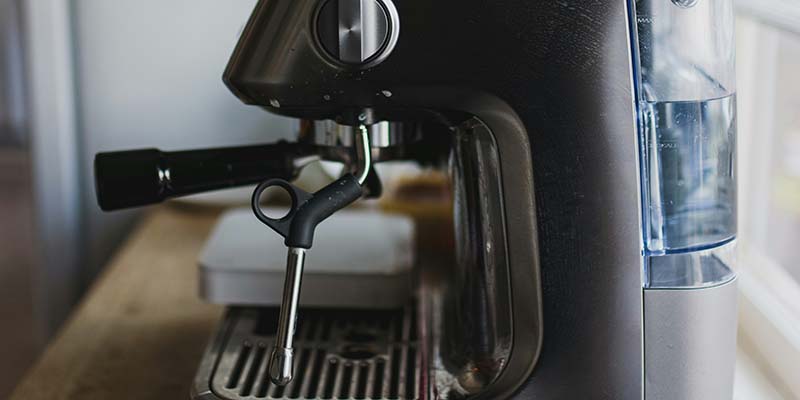
Pour the solution into the water tank and run one full brew cycle. If your machine has a steam wand or extra outlet, you can run part of the solution through it if the manufacturer allows.
This helps the solution reach more internal parts of the machine.
Step 3: Rinse thoroughly
Discard the used solution and refill the tank with clean water. Run at least one full rinse cycle, and two cycles is even better if your machine allows it.
This step removes any leftover citric acid and loosened mineral buildup.
Step 4: Wipe and dry
Wipe down the reservoir, lid, and brew basket with a clean cloth. Let the machine air dry before using it again.
A dry finish helps prevent streaks and keeps the machine from feeling damp or half-clean.
If You Have An Espresso Machine
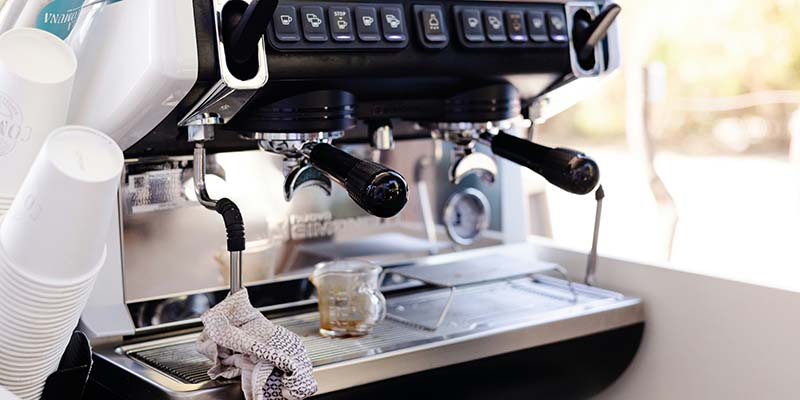
Espresso machines need a little more attention than simple drip brewers. The internal passages are tighter, and buildup in the group head or steam system can affect performance more quickly. In that case, citric acid can still work, but you should follow the machine's instructions carefully.
For many espresso machines, it helps to run part of the solution through the brew path and part through the steam system. That way you clean the parts that actually handle water pressure and heat. If your machine has a water filter, remove it before descaling so the solution can move freely.
Do not leave the solution sitting inside the machine for too long. A short dwell time can help with stubborn scale, but overdoing it is unnecessary. If your machine is expensive or has special internal materials, check the manual first to avoid damaging seals or coatings.
Why Vinegar Is Not The Best Default
Vinegar does work as an acid, and many people have used it for years. But it has two real drawbacks. First, the smell is strong and can linger. Second, some machines seem to hold onto the flavor longer than expected, which can affect several brews afterward.
Citric acid is usually the better choice if you want a cleaner result without the sharp smell. It is also easier to measure and store. For most people, that makes it the more practical home descaling option.
If you already use a vinegar routine and it works for your machine, that is fine. But if you want a method that feels cleaner and less disruptive, citric acid is the smarter starting point.
Other Products People Use
If you prefer a ready-made cleaner instead of mixing your own, there are several common options.
Urnex Descaling Solution is widely used for espresso and specialty machines. De'Longhi EcoDecalk is another popular choice, especially for branded espresso machines and regular maintenance.
For drip coffee makers, Durgol Swiss Espresso Descaler is also commonly used and easy to find.
These products are more expensive than citric acid, but they come pre-measured and ready to use, which saves time.
In the end, it comes down to what you prefer: citric acid for a cheaper option, or a branded descaler for convenience.
Signs Your Machine Needs More Than a Quick Rinse
If your brew time has gotten noticeably slower, that is often a sign of scale buildup. Another clue is a weak stream of water, uneven extraction, or coffee that tastes less hot than usual. These are all signs that the heating and water flow paths may need attention.
A visible white crust in the tank, on the spout, or around removable parts is another warning sign. If you see that, do not wait for the machine to fail. Clean it before the buildup becomes harder to remove.
If you use your brewer every day, regular maintenance should be part of the routine, not something you only do when the machine acts up. A simple monthly schedule can save you from bigger problems later.
Keeping Your Coffee Maker Cleaner Longer
Filtered water helps slow down mineral buildup, especially if your tap water is hard. It will not prevent scale completely, but it can reduce how quickly deposits form inside the machine.
Empty the carafe and rinse the brew basket after each use. Old oils and leftover moisture can create a stale smell that has nothing to do with minerals, but still makes coffee taste worse. A quick rinse takes very little time and helps the machine stay fresher between deep cleans.
You should also leave the reservoir open when possible so it can dry out after brewing. That small habit helps reduce standing moisture and keeps the machine from developing a musty smell.
A Simple Routine That Actually Lasts
The easiest way to stay consistent is to connect descaling to something you already do. You could clean the machine when you open a new bag of coffee, at the start of each month, or when a water filter gets replaced. The point is to use a reminder that fits your real life.
If you brew a lot, monthly descaling is a solid baseline. If you brew less often, every six to eight weeks may be enough. What matters most is not letting scale build up for so long that it starts affecting flavor or flow.
You don't need a complicated maintenance routine. A little attention goes a long way, and your coffee will taste better when the machine is clean inside as well as out.
You May Like
-

-
Coffee
More Americans Drink Coffee Than Water: What's Behind the Numbers
-
Coffee
Coffee Bean Roasting 101: Choosing the Right Roast for Your Taste
-
Recipe
The Only 9 Coffee Drinks You Need To Master Before This Weekend
-
Guide
Save Time & Money: The Ultimate Guide To Perfect Drip Coffee Every Day
-
Recipe
Turkish Coffee: The Intense, Foamy Recipe Your Kitchen Needs Today